Bad Seed: Chapter 15

The gravel road was torn up from tractors entering the field on this dewy morning and leaving large ruts in the dirt and gravel. Stella rolled down all the windows, and turned up the Alice in Chains and let the haunting harmonies of Layne Staley and Jerry Cantrell fill the air with lyrics of loss and longing. Some music should be illegal to play in a car. Stella’s foot grew heavier as they flew down the gravel road with her new dog at her side, both of their heads bobbed to the beat.

Stella loved and hated this time of year when the memories and ghosts of the past were so close that they became tangible and embodied in every moment and song on the radio. Instead of sliding into the despair of the past, she focused on this odd sort of pride that filled her chest with warmth:  proud that she survived Kevin. The drive, the music, the day thrilled her and she felt like she was finally waking up from a nightmare, even if Kevin was in her bed a few hours ago.

Stella pulled down the long driveway flanked by Oak trees and circled around behind the large, stately house. The farmhouse was built in the middle of a Bur Oak savanna, so it felt like the centerpiece of a park. In its prime the home must have sheltered multiple generations under its gabled roof. It could use a fresh coat of white paint and maybe some trim work, otherwise the house looked like it would survive another century on the prairie. Big wrap-around porches where she and her sister spent their summers sipping lemonade between games of hide and seek or sleeping on hot nights. In the distance, was another much smaller house, the original homestead, that was slowly degrading into the land after it had been washed off its foundation in the flood of 1927.

A tire swing hung from an oak tree in the side yard beyond the chicken coop. Stella didn’t have a happy childhood memory that wasn’t on this farm: summers exploring the acres, splashing in the river, playing with barn cat,s or chasing the gaggle of geese that took up residence in the yard. When winter weather kept them inside, Stella and Casey would explore the forgotten rooms of the upstairs either playing house or a make-believe jewelry store with Alice’s collection of costume jewelry. 

Stella didn’t want to be like the rest of her extended family and bring her problems and woes to her aunt’s door. Hell. Once upon a time, Stella was the problem dropped at Alice’s doorstep anytime mama felt the gypsy spirit take over. Mama would return months later with stories of life on the road following the Grateful Dead and making a living selling beaded jewelry and breakfast burritos out of the back of their Caprice Classic station wagon. With all of mama’s comings and goings, Alice didn’t bat an eye, like it was the most natural thing in the world  for two pre-pubescent girls to be dropped off at her house on a whim.

Although Alice owned over two hundred acres of cropland, she had little interest in the life of a farmer. She was an artist. Her medium was scrap metal collected from area farms which she turned into giant whirling wind catchers, or rusted flowers, or the occasional piece of lawn furniture. Her latest creation was a monumental piece welded and fashioned out of a decommissioned windmill that had stood on the back forty of a neighboring farm since the early 1930s. Alice replaced the mill’s missing blades with the shapes of full-bodied women welded from scrap metal from barbed wire to cogs, tin-roofing, even old nuts and bolts from the old International Harvester stripped and rusting in the back barn. She used a piece of that old tractor in every piece she made.
Stella left the dog in the car as she got out and walked up to her aunt. Alice was bent over the metal picnic table she liberated from a county park that was reclaimed as an imminent domain and turned into a highway exit ramp. The picnic table had become her workbench over the years. As Stella rolled to a stop in front of the farmhouse, Alice flipped back the welding helmet and squinted at her niece. The wrinkles that fanned away from her eyes looked like feathers like she was wearing a masquerade mask. Her white hair was tied in a neat bun at the top of her head. Alice looked like a Hallmark granny that fusses over having everyone home for the holidays, but you never want to disappoint.

“To what do I owe the pleasure?” Alice asked. 

“Hoping you had a spare dozen eggs.. I read you should put an egg under each tomato and pepper plant in the garden as a slow release fertilizer.”

“You didn’t get that green thumb from me.” Alice pulled off her helmet and welding gloves, fluffed her tight gray curls with her stubby fingers. “Who’s that handsome devil?” Alice pointed at the dog.

“Act of contrition,” Stella said.

“Baby girl, we ain’t Catholic.”

“Shame and guilt don’t discriminate.”

“Kevin?”

Stella nodded and looked down to her Vans sneakers and was suddenly transported to a younger version of herself twisting in her Keds after Alice caught her picking on her sister.

“Son of a bitch probably deserved it.”

“Maybe,” Stella said.

“Well,” Alice said. “Karma’s a bitch.”

Stella’s smile spread across her face until her cheeks ached and she snickered to herself.

“What’s so funny?” Alice asked and shook Stella’s arm.

“I think you just named my dog.”

“Really?”

Stella whistled between her teeth and the dog’s ears perked up. “Come here, Karma!” she called.

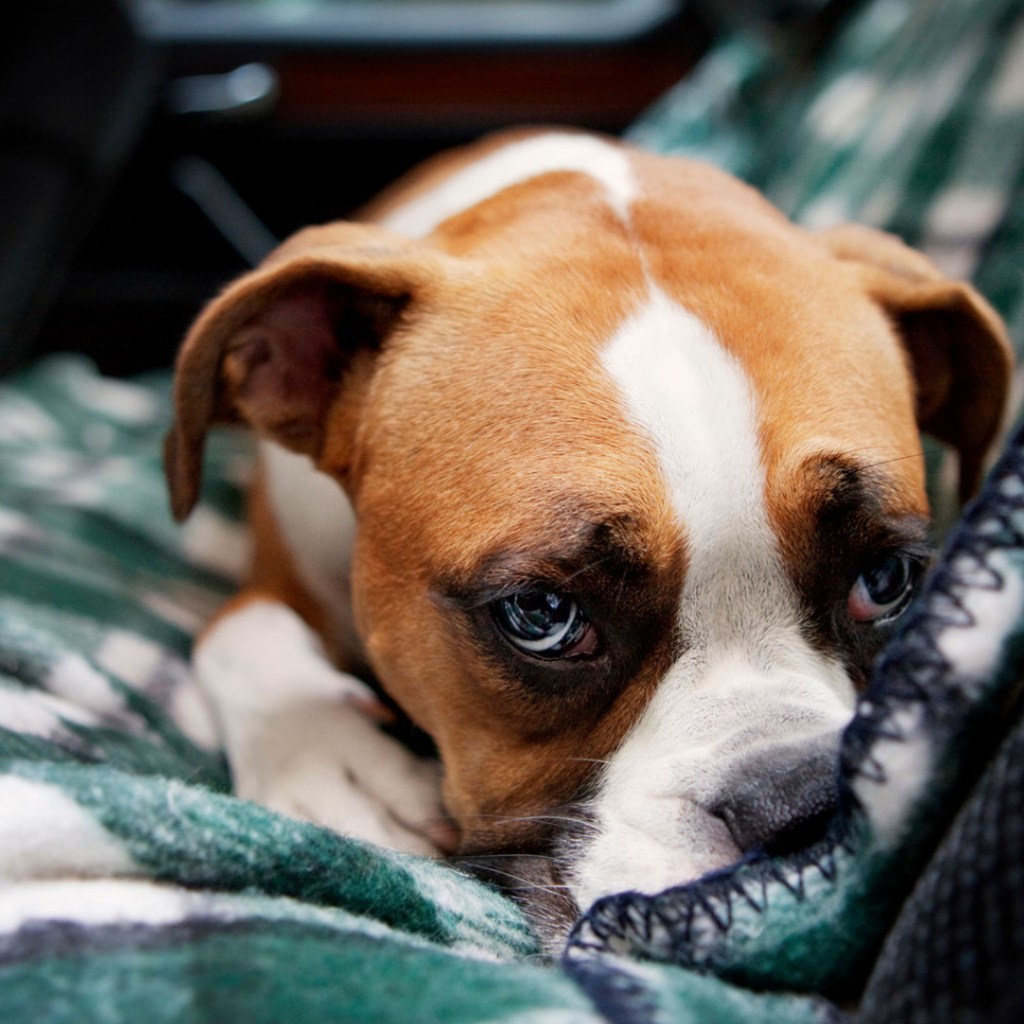
The dog put her paws on the rolled down window and launched herself out of the car and onto the driveway. In a flash of fur and dust, Karma came to sit at Stella’s feet and leaned her weight against Stella’s legs with an attentive look.
Bad Seed: Chapter Thirteen

The sun raced through the cloudless sky toward zenith and burned off the thick morning dew. Stella navigated the quiet streets of Mineral Springs at cautious speed. Her new friend sat stock still in the passenger seat facing forward with a look of determined solemnity rather than hanging out the passenger window and allowing all the world’s scents to blow back her floppy ears. Staring through the windshield the doggo didn’t even blink like they were about to make the jump to hyperspace and she didn’t want to miss it. Something fluttered in Stella’s chest, but she wasn’t sure if it was joy or anxiety. 

Before she’d left the shelter, the caretaker made her sign a few forms and warned, “She’s been here for about two weeks. We think she was abandoned by an abusive owner.” The lady peered over her glasses with a warning look.

“We have that in common,” Stella said and met the lady’s eyes with her own challenging glare until the lady found something else to look at.

“She’s not eating much, so you’ll want to start slow. Might want to ease her into dry food. Try cooked sweet potatoes, some poultry. Don’t be disappointed if she isn’t affectionate.”

Even with all the warnings and urged caution, Stella was undeterred. This dog had chosen her. Stella left the shelter with a handful of pamphlets about care and feeding and training. But also with a feeling of shock. She’d gone in with the intention of taking home a tiny ball of kitten and walked out with an abused mutt on a short leash.

“What are we going to name you?” Stella asked. She reached over to stroke the dog’s back, but thought better of it. Maybe they weren’t ready for that. She had to give the dog the space to come to her even though every part of her wanted a snuggle.

The doggo turned her big brown eyes toward her and issued a thin whine.

“Boxer mix,” she whispered to herself as she pulled into the parking lot of the local grocery store. “Tyson. What do you think of Tyson?”

The dog hitched up one eyebrow as if to say, “You can’t be serious.”

“Not Tyson.” She put the car into park. “George Foreman?”

The dog issued a shrill bark. Stella reached over and scratched behind the dog’s soft ears. Names are important. This might take some time.

Stella found a parking spot at the back of the lot of McCue Market. The small grocery store was a Mineral Springs’ institution. It started as a simple, roadside farmer’s stand in the late 1950s where the McCue family sold fresh, local produce, canned goods in Ball jars, and bakery treats. Soon, the McCue family started working with other farmers and suppliers to meet demand. In the early 1960s they bought an abandoned warehouse next to the train tracks and expanded the business. They won Stella’s loyalty by offering home delivery and honoring her special orders.

Stella rolled up with windows until they were each cracked about an inch and turned to the dog. “I’ll be right back.”

The dog whined in response but went back to looking out the front window.

Unlike many other Iowa towns that relied upon Walmart or other big box stores, Mineral Springs had a thriving downtown thanks to a massive revitalization push by the city council starting in the early 1990s. Numerous grants and publicity campaigns and even the Coronavirus Pandemic helped keep the doors open. It also helped that the city council was a powerful force against corporate concerns and rejected any bids from big box stores or chain restaurants. 

Stella grabbed a small cart at the front of the store to begin her supermarket sweep. She wanted to get back to the dog before he suffered from separation anxiety or started tearing apart the inside of her beloved Subaru. 

The produce department shone with all the colors of the rainbow: yellow bell peppers, red radishes, blueberries, eggplant. All the beauty of a tropical postcard in her grocery store. It was that kind of day where everything inspired her: the produce, the dog, the sunshine. She wanted to make radish soup and landscape the yard and spend every moment with the dog all the same time. The anxiety and inspiration was marked by a deep calm within her: an acceptance of this is how things will be from now on, an acknowledgement that adopting this mutt had opened a doorway.

She loaded sweet potatoes, carrots, natural peanut butter, canned green beans, and green peas into the cart. Stella rounded the aisle out of produce and up to the meat counter. A young girl, probably ten years old, chased her mother down an aisle while dribbling a bouncy ball. She squealed with glee as the blue ball rocketed from her hands and hit a shelf of ramen noodle packages and knocked a few of the packets to the concrete floor. The mother abandoned her cart piled high with sodas and snack foods. She snatched a handful of the girl’s hair and yanked her head back. The little girl was silent, her lips drawn in a tight line. Any other child would holler or yelp the first time they had their head ripped back like that. This wasn’t the first time mama had laid hands on her. 

Stella recognized the slow burn of defiance in the girl’s eyes as she looked up at her mother. “Goddamn it, Betsy. I told you to knock it off.”

Her heart lived for that little girl.

Despite her cruelty, the woman was stunning. Her stick-straight dark brunette hair cut in a Betty Page bob that suited her angular face. Her Nike tracksuit was in perfect condition with matching acrylic nails while the girl’s hair hadn’t been brushed and her too small tee shirt was stained with a purple bib of Kool-aid. The woman was short, less than five foot and petite, but muscular. Maybe she’d aspired to be a gymnast but had it ruined by a scandalous high school pregnancy. 

Stella’s head swiveled in a panic looking for another witness to the abuse when she also realized where she was for the first time. She knew she was in a grocery store, but it was more the realization she wasn’t at home cowering from the world. Two years ago this errand would have been a run of the mill, mindless existence, but she hadn’t ventured past the property boundaries of her new home in six months. Although her online therapist diagnosed it as agoraphobia, Stella knew it wasn’t that pathological. She preferred to be at home where she could control her exposure to the ugly world. Stella knew she could and would go back out into the world, but she’d wanted to plan her re-entry and go slow like maybe a park or a coffee shop with her sister. But here she was in the middle of a grocery store on a Friday morning.

Stella had her own battles. Some day she’d have the strength to be a crusader, but right now she had a dog that needed her.

At the meat counter, she tried to wait for the clerk but they didn’t keep the a-team behind the cold case this time of day. From the wall of pre-packed meat, she loaded the cart with chicken breast, ground turkey, and some pork chops.

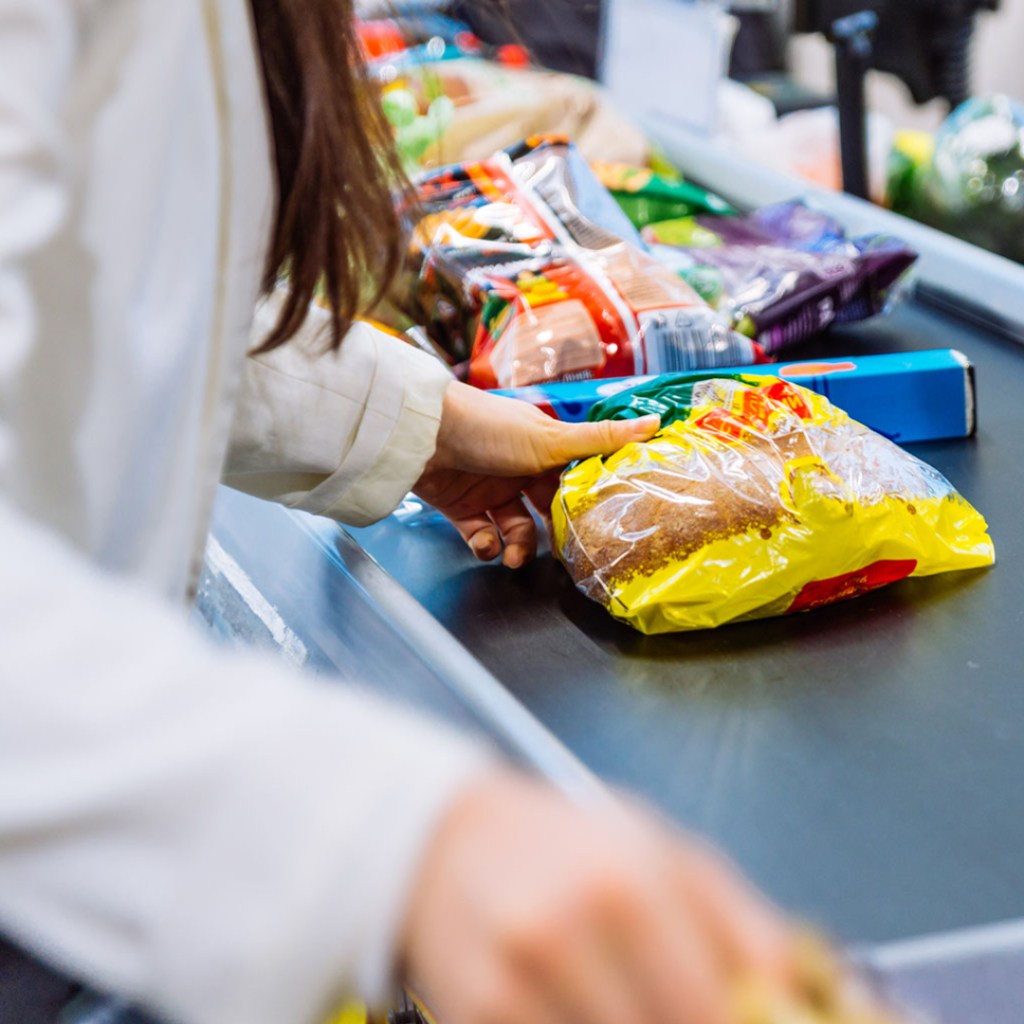
McCue Market didn’t offer a self-check option. Stella found small talk exhausting and she was too distracted by the dog waiting for her in the car not to be considered rude. She placed her purchases on the conveyor belt and hoped for the best. The belt advanced and the middle-aged woman began weighing and measuring her vegetables. 

“Hope you wasn’t looking for Lucky Charms,” the clerk said. Her words all slurred together, almost unintelligible.

“I’m sorry,” Stella said with a shake of her head.

“We got no Lucky Charms,” the clerk said and enunciated each word like Stella was hard of hearing. “Bunch of men came in here this mornin’ and bought ’em all.”

“That’s odd.”

“Oh I could tell stories,” the clerk said with a conspiratorial wink. “These guys bought every box.”

“Yuck.” Stella couldn’t imagine a worse meal than the chalky Lucky Charms.

“Looked like they’s up to no good, but what kinda trouble you gonna cause with cereal?”

“We’ll never know,” Stella said, snatched the receipt as it printed, and jogged for the door with her bags swinging every which way.

She opened the tailgate to toss in the bags and the dog bounded over the seat and launched herself at Stella. She  dropped the bags and covered her face. The dog pinned her to the asphalt and licked her forearms. The dog ducked under Stella’s defensive posture, licked her face and neck until she squealed with laughter and hugged him. He settled down and lay on her chest.  Stella thought of the spectacle they were creating, but didn’t care. She was in love.

Bad Seed: Chapter Twelve

The Morton Building at the edge of the Granum complex was a stadium-sized toy room for farmers: cultivators, planters, sprayers, two giant tractors all in bright red like a showroom floor. This was Wyatt’s favorite place on the Granum campus. It felt like Dorothy getting a look behind the curtain far removed from the lab munchkins and office flying monkeys. At the center of it all was Billy, the true wizard of this Oz.

“Hey, Billy,” Wyatt called from the dock door.

Billy gave him a wave with his mangled hand. A dozen years ago, Billy lost four fingers to the cooling fan of his International Harvester when it overheated during harvest season. It made the papers because his wife called the neighbor to take him to the hospital while she finished combining the field before it rained the next day.

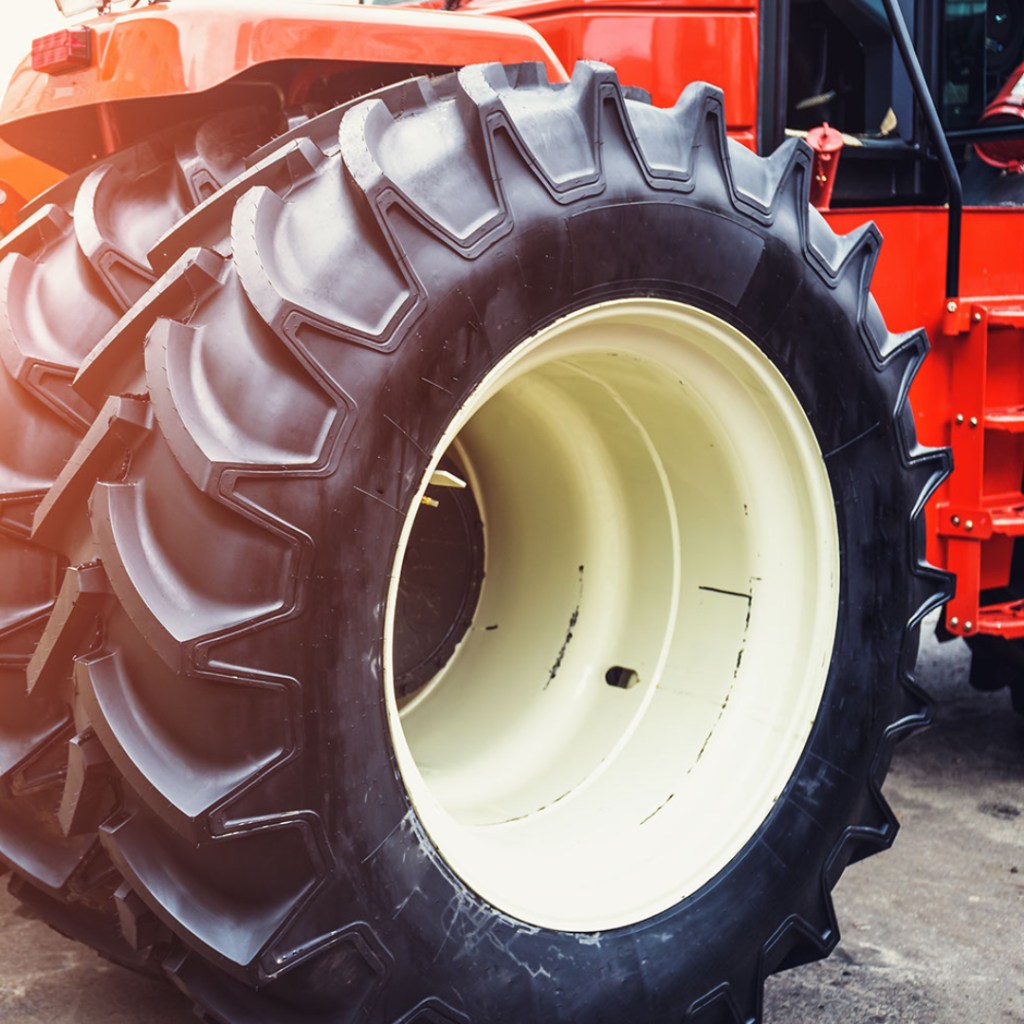
“Wyatt, my boy,” Billy called back. His whole body swayed side to side as he moved like a life-size Weeble Wobble.  He filled his coveralls like sausage in a casing. Billy slapped one of the enormous tires on the 485 horsepower, four-wheel drive tractor.

“She got an oil change this morning.” Billy paused and ran a hand over the rubber of the front tires, pulled a small flashlight from a deep pocket and shone it on the pitted rubber. “2600 hours on this girl. ‘Bout time for new tires.”

Billy talked about the implements like a sailor might talk about his boat and always with a feminine pronoun. “Mr. Jonas called me yesterday and asked to get this seed in the next field we plant.” Billy attempted to zip up the front of his coveralls. He danced around and shrugged his shoulders forward, and the zipper finally made the trip over his bountiful belly. Wyatt thought of the physical comedy of the late Chris Farley and wondered at the pounds of pressure on those tiny, plastic zipper teeth.

Large metal supply closets lined one long wall of the building, each crammed full with oil, belts, air filters, halogen light bulbs, oil filters, and enough spare parts to start their own Case dealership. Billy waddled by several cabinets to one marked with chemical hazard stickers. He stooped to a bottom shelf and withdrew two full mask respirators that looked like relics from some distant, forgotten, jungle war and handed one to Wyatt.

“What’s this for?” Wyatt asked. In his seven years working fields for Granum, high school summers as a farm hand, he’d never used a respirator.

“For you, chucklehead.” Billy used his remaining digit on his right hand to motion for Wyatt to put on the respirator. Billy then handed him a pair of thick rubber gloves, like he might find in one of the labs rather than the leather work gloves that stuck out of Wyatt’s back pocket. 

“Can’t run this seed through the hydraulic auger so we have to fill the hoppers by hand.” He pointed toward the forklift which held a pallet of seed bags which did not bear the Granum logo, instead bore a handwritten K-90 on the brown bags.

“Why the respirators?”

“Doin’ what them lab boys tell me.”

Wyatt scaled the ladder Billy positioned next to the backend of the planter, while Billy used the forklift to hoist the pallet of bags next to him. Wyatt straddled the top of the ladder, pulled the lid off the seed hopper and began dumping in the forty pound bags. He watched the iridescent green orbs flow into the chamber.

Only organic or hobby farmers planted heirloom seeds anymore, so he wasn’t expecting it to look like corn, but this was different than any commercial seed he’d worked with before. Seeds varied from turquoise to neon pink depending on brand and chemical treatment. Hell most varieties were patented as a pesticide rather than as food. But this seed caught the light and almost glowed in the hopper like some deep sea creature that created its own light. It was also about fifty percent bigger than any other variety that Granum produced. Wyatt closed up the hopper and climbed back down.

Wyatt pulled off the respirator and tucked it under his arm. “Boy, they’re not fucking around with this stuff,” Wyatt said. “Ever make you worry what they’re exposing us to?”

“Too late to die young,” Billy said and reached into his breast pocket and pulled out a battered pack of Marlboros, flipped one out of the pack and pulled it out with his teeth.

“That enough seed?” Wyatt asked.

Billy’s eyes focused on something beyond Wyatt like he was seeing the calculations on a chalkboard over his shoulder. “Thirty thousand seeds per acre. The Richardson field is a hundred sixty tillable acres. You should have half a bag left over in the hopper when you head back this afternoon.” Calculations like this were a matter of muscle memory for an old farmer like Billy.

“I’ll hold you to it,” Wyatt said.

“Wanna make it interesting?” Billy asked with a mischievous glint in his eyes like a feed store Santa. 

Bad Seed: Chapter Eleven

It was going to be one of those magical spring days: nothing but blue skies and the promise of summer ahead. Casey pulled off Interstate Eighty and into the rest area. It was only another ten miles to get home, but she wasn’t going to make it. She left the budget motel in the suburbs of Chicago before sunrise and the miles were beginning to catch up to her.  As she approached the ladies restroom, she heard the hand dryer through the door and was disappointed she’d have to share the public restroom. Not that she planned to dance around naked, but she had a very full and nervous bladder that preferred a solo urinating experience. Casey slammed open the swinging door and dashed for the middle stall.

Rather than unzipping her suit skirt, she hiked it up around her waist. She hooked her thumbs under the waistband of her Spanx and wrestled to pull them down in a dance. But with each sway of her hips, she thought she might wet herself. Her bladder was too full of used coffee and Diet Coke to be shy, even while emptying into a toilet bowl that needed  bleach and a good scrub. As she relieved herself with an endless and steady stream of urine, she heard the woman triggering a squirt bottle over and over. Sounded like the same body spray Casey used either before a date with Wyatt or before ducking into the grocery store while dripping with sweat after a long run. Casey waited for the manufactured Bath & Body Works scent to tickle her nose. 

With her bladder finally empty, she decided not to struggle with her pantyhose again. She pulled them off as well as the Spanx, rolled them up and tucked them under her arm before she exited the stall. Casey didn’t want to engage with the woman that just listened to her pee, but she had to wash her hands. She’d remembered to pack everything else for her interview at a marketing firm in Chicago, except clean clothes for the ride home.

Casey stared at her own eyes in the battered mirror while she scrubbed her hands. She couldn’t meet the woman’s eyes, instead her gaze was drawn to the woman’s enormous handbag, or rather toiletry bag: drugstore brands of shampoo, conditioner, body wash as well as makeup. The subtle scent of roses and peonies wafted in the small space, not what Casey expected from a woman who clearly made her living on her back with the soles of her bedazzled flip-flops pointed to the ceiling of a semi-truck. While Casey tried not to pass judgment on how this woman chose to make money, the contrast between the two women couldn’t have been greater. Casey in a Calvin Klein suit tailored to her shorter stature and athletic build while this woman wore a thin cotton dress from a discount bin.

Casey shook the excess water off her hands under the air drier and then hustled out to her Honda sedan. As she pulled back onto the Interstate heading further east she used a button on the steering wheel to activate the voice functions of her phone.

“Call Stella,” Casey said.

“Calling Stella Blue Murphy,” the disembodied voice of the phone’s virtual assistant said.

No ringtone played through her speakers. “You’ve reached the voicemail…”

“End call,” Casey demanded. Her sister’s phone was never off. Maybe it was dead. Stella was terribly forgetful especially when she got busy in the kitchen.

Throughout high school, the walls of Casey’s bedroom were covered with photos of far-flung destinations, magazine photos of high-power women, and the admissions requirements for Smith College, Amherst, and Wellesley. This was the life she wanted: a loft apartment in Chicago or New York, a killer wardrobe, and lavish vacations. But Casey had stayed in Mineral Springs and attended Bryson College after high school because it was a great school with a generous financial aid package. She also wasn’t ready to leave her sister in a bad marriage.

When Stella announced that they were taking this month off, Casey knew it was too good to be true. Her sister was a whirlwind of productivity, like if she slowed down long enough her world would collapse. One moment Stella was singing a Grateful Dead tune to her lasagna, the next she was writing a detailed outline for a cookbook of Italian classics. 

The intersection of Main and old Highway Six divided the town into four quadrants: the northwest housed the workaday community in small starter homes, old apartment buildings, and trailer parks. The northeast was the historic downtown and civic buildings and business district. South of Highway Six hills rose up from the former flood plains. East of Main were the professors, college professionals from Bryson College as well as executives from Granum while their employers filled the Southwest side of town with modern office buildings and historic college facilities.

Instead of hanging a right toward campus, Casey turned left into Stella’s neighborhood. At the top of the hill was Stella’s bungalow on a corner lot dwarfed by enormous oaks and cottonwoods. Casey pulled into the driveway. Stella’s car was gone with the garage door left open. 

She wouldn’t go so far as to say that her sister was a shut-in, but she didn’t leave the house much. Stella let that son of a bitch Kevin bully her into believing she deserved a small life. Stella spent most of their marriage working like a dog as a chef at various Des Moines restaurants while Kevin partied every night. Why Stella had ever tolerated that abuse was a mystery. She’d always looked up to her big sister, but now she wondered if Stella would ever recover from Kevin.

Casey reasoned that her sister had left home of her own accord. It wasn’t exactly a miracle, but a move in the divine direction. After months of worrying about leaving her sister and even postponing interviews for post-graduate employment, maybe Stella was going to be just fine after all.

Bad Seed: Chapter Ten

Alice dipped an arthritic hand into the enamelware pail and dusted the ground with milled corn and wheat as hens pecked at her feet. Her mother, grandmother, and great grandmother used this same pail to feed the heirloom chickens that surrounded her. Roger, the rooster, strutted circles around the small yard outside the tool shed turned chicken coop, his head jutting forward with each step like a herky-jerky interpretive dance. Exhaustion washed over Alice, added weight to her arms, pulled at her eyelids, and drew her attention toward the large farmhouse. Home. On this small scrap of Iowa land, she’d created her own nest over thirty years after inheriting the rundown homestead from her maternal aunt, Vera, after cancer had stolen her life. The exhaustion was a daily battle. Her aging body couldn’t keep up with her chores and her projects. She ached for a nap even at sunrise. 

This plot had sustained and provided for her simple life. Vera had been quite a packrat and packed all of the outbuildings, attic, and basement with old washbasins, furniture, and other junk. In recent years, Alice supplemented her meager income by dusting off all the old junk and selling it as vintage or mid century modern or whatever the trending Instagram hashtag was that week. She also leased the majority of her fields to the local seed company. Granum paid a tidy sum to plant the fields with test crops and provided all the feed for the animals. Semi-retirement just kept getting easier.

Alice set the pail down on the stoop leading into the farmhouse. The wraparound screen porch had become her workshop. Last week she stripped and refinished an oak table that she hired a couple of boys to drag out of the attic. She restored it to the same glory as when it was delivered to this homestead a century ago by Amish men in a wagon. Over the weekend, she sold the table to a West Des Moines doctor to put in his conference room. 

The wraparound porch was lined with filing cabinets and tall tool chests with pull out drawers and rows of galvanized buckets brimming with every type of nut and bolt and random piece of scrap metal. They were her clay, her paints, her paint brushes. She used them to create her art. Her last piece was a giant labor of love, she was looking forward to a smaller project that didn’t require ladders or large equipment. But she was still looking for that spark that made her light the acetylene torch and start creating. Every impetus of inspiration began with the simplicity of sorting materials. She picked a galvanized bucket of metal scraps collected from a fire truck that served New York City during the city’s darkest days in 2001. 

She held up a piece of brass to the morning light filtering in through the screened in porch. Five inch circle of brass with screw fittings. Maybe held a fire hose. Pulled it onto her wrist like a bracelet. The bucket held at least ten more of these brass rings. A flutter of energy rose from her belly and into the mind. She moved the bucket of brass onto the stoop next to the chicken feeding bucket.

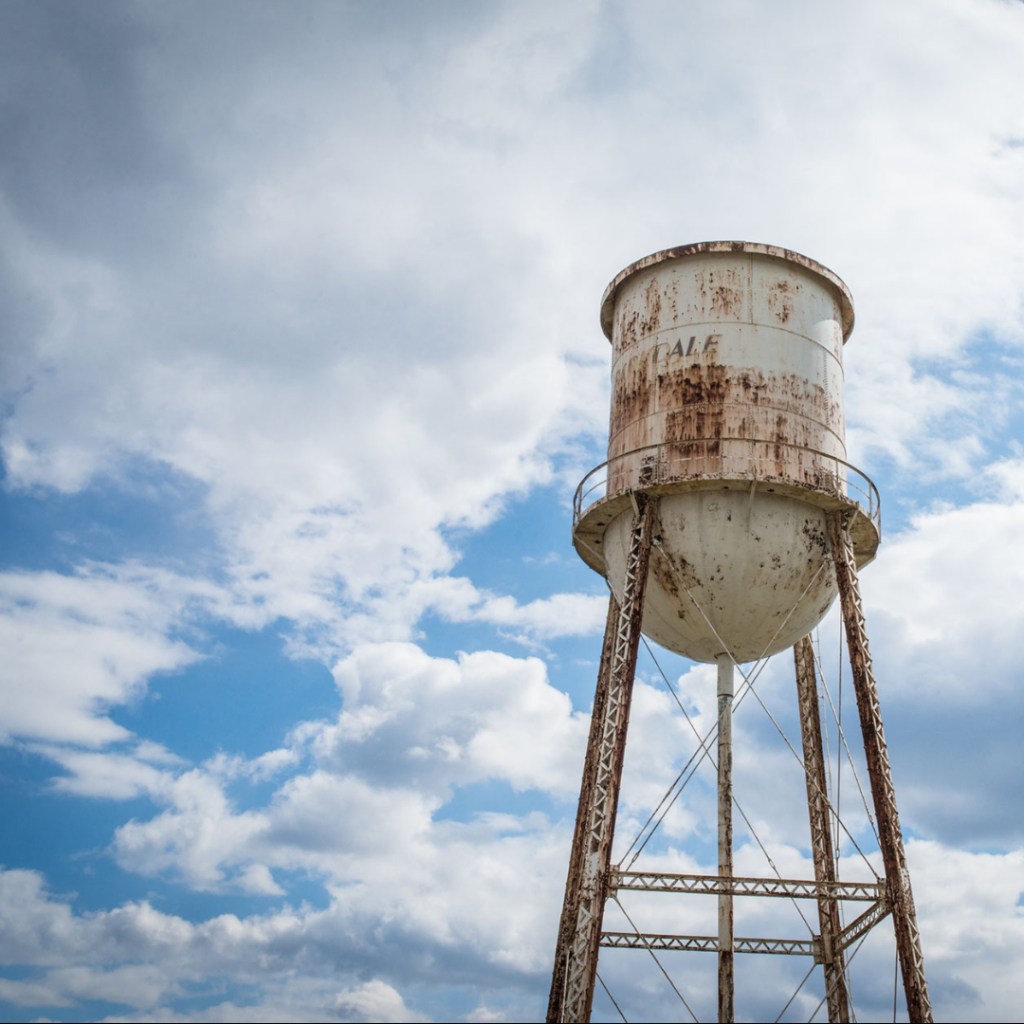
The day was still young, but her knees weren’t and Alice settled onto the porch swing. From this vantage point she could see the land sloping toward the Possum River and flanking Blue-winged Teal Wildlife Management Area. Over the tops of the cottonwoods that flourished in the floodplain a grey water tower perched atop a hill marking the nearest settlement: Cardinal Creek, a small enclave of survivalists parading as Christian nutballs. The water tower was the sole evidence that life prospered beyond her 200 acre plot.

Bad Seed: Chapter Nine

The CEO’s office more resembled a twelve year old mad scientist bedroom than a corporate titan. Counter tops were lined with beakers, microscopes, burners, and lab notebooks. One wall was covered with white boards and a periodic table, while the wall behind his desk displayed ten colorful skateboard decks. All were collectors items that spanned the years from his first Jason Lee board to the latest Andy Anderson innovation. A complete skateboard was tucked under his desk that he fiddled around with while on a boring conference call. By far, the strangest thing in his office this morning was either the sulking executive in the hot seat or the stack of Lucky Charms boxes on the corner of the conference room table.

Walter stood up from the conference table, tightened his Brooks Brothers’ tie, and motioned to the door. Kevin wasn’t taking the hint that the conversation was over, and continued to drum his fingers on the armrest. The man’s smug and direct gaze unnerved Walter. Kevin’s tie hung loose in his oversized shirt collar that didn’t hide the huge, welted acne on his neck. He looked like a boy playing office in his daddy’s clothing. Although the office didn’t have a strict dress code, or any dress code for that matter, Kevin was still an odd man out. Under the loose knot of his tie, the top button of his oxford shirt wasn’t buttoned and the tie boasted pictures of cartoon characters like he was working the bar at a theme restaurant. It took everything in Walter not to comment on the man’s apparel or his attitude. 

Kevin was the lone thorn in Walter’s side. Today they were addressing the accusations and evidence of bullying. Previous meetings had been about Kevin’s loud, inappropriate music, tardiness, and misuse of resources when he took a company truck on a coffee run because he forgot to put gas in his personal vehicle. Walter had personally recruited Kevin during his senior year at Iowa State University. While he wasn’t at the top of his class, he presented himself as passionate and dynamic. Now he looked like a beaten dog mad at the world. He slumped in his seat, shoulders rolled forward.

Kevin started at Granum as a college intern. He thrived that summer and streamlined their communications about the test crops. They hired him as Associate Vice President of Experiential Farming, but his performance was never back to the level they’d seen that summer. His title changed multiple times, demoted from an executive office to a cubical in the bullpen where he terrorized the employees he oversaw.

Kevin glared up at Walter from a deep furrowed brow with his chin on his chest.

“Wyatt deserves your respect.”

Kevin scoffed as if Walter had told a fart joke.

“This level of harassment will not be tolerated,” Walter said. “Is that understood?”

One shoulder rose and fell like a sulky teenager unremorseful about breaking curfew. 

Walter’s desk phone beeped. “Sir, the police are here to speak to you,” his secretary announced.

Walter held the door open and peered into the outer office. One uniformed police officer and a man in plainclothes with a badge clipped to his hip looked at him. Walter had a busy day ahead to prepare for his new second in command joining the company on Monday, loose ends to tie up before he dedicated himself to orienting his newest colleague.

The plainclothes cop and Kevin eyed each other as Kevin slunk back to his cubicle. Like two prizefighters sizing up their opponent during weigh-in: they puffed their chests, thrust their chins, and narrowed their gaze to a sneer. 

“Gentleman,” Walter said. “How can I help you?”

“We need a minute of your time,” the plainclothes cop said. His face was solemn, his mouth in a straight line without a trace of a frown or smile. The uniformed officer offered a brief, consolatory smile.

“Please come in,” Walter said and stood back from the door jam to allow them entrance. Rather than sit behind his desk and create a divide between him and the officers in some sort of power move, he motioned them toward the small conference table near the windows. Walter wanted to ask what this was about, but he’d discover that soon enough, and he didn’t have the upper hand here. Although this office and business were his domain, they had handcuffs and guns.

Bad Seed: Chapter Eight

The Furry Friends League was a historical relic of the Colfax County Bottling Works, the building’s original inhabitant. The company folded during World War I and the Great Depression, but the solid brick building stood as one of the last vestiges of the bygone era. Today the worn pine flooring creaked and moaned under Stella’s chef clogs as she bounced from one foot to the other. The air was redolent with the smell of the strong herbal tea wafting from the dainty teacup on the large oak reception desk.  

A middle aged woman fully engulfed in a heavy, gray cardigan glared at Stella without a smile or even a greeting. Her eyes narrowed as she scanned Stella from her kitchen shoes to her chopped short hair. “Help you?” the lady asked with a tone of annoyance.

“I’m thinking about getting a cat,” Stella said. She tried to drop her shoulders to lessen her anxiety and appear to possess the confidence she couldn’t muster.

“How committed are you?”

While Stella respected the woman’s desire to protect and care for the animals under her charge, she resented the question of her resolve. The snide question had solidified her decision. “I want a cat.”

“Recent break-up?”

“This isn’t a reaction to some man.” Stella believed the words as she thought them, but knew they were a lie as they crossed her lips. The inspiration for adopting a pet did come from a man–or rather her negative thoughts about that son of a bitch–but it had morphed into a true desire to share her blessings with a living being.  She needed to balance the scales after so many hateful thoughts–to feel some love and give something good to the world.

 “We don’t have any kittens right now. Only cats.”

Stella nodded as she adjusted her mental image from a tiny ball of kitten fluff to a sassy, grown cat.

 The woman looked her up and down, then nodded her approval like a banker granting a loan. She opened the double doors and led Stella into the inner sanctum. They walked down a long make-shift hallway between kennels constructed of chain link fencing, strolled by two rabbits, a shelf of small cages and aquariums of rodents. Stella expected it to be loud and chaotic like a circus or third rate zoo, but this woman with her zen presence created calm–like a good kindergarten teacher in control of her classroom and beloved by her students.

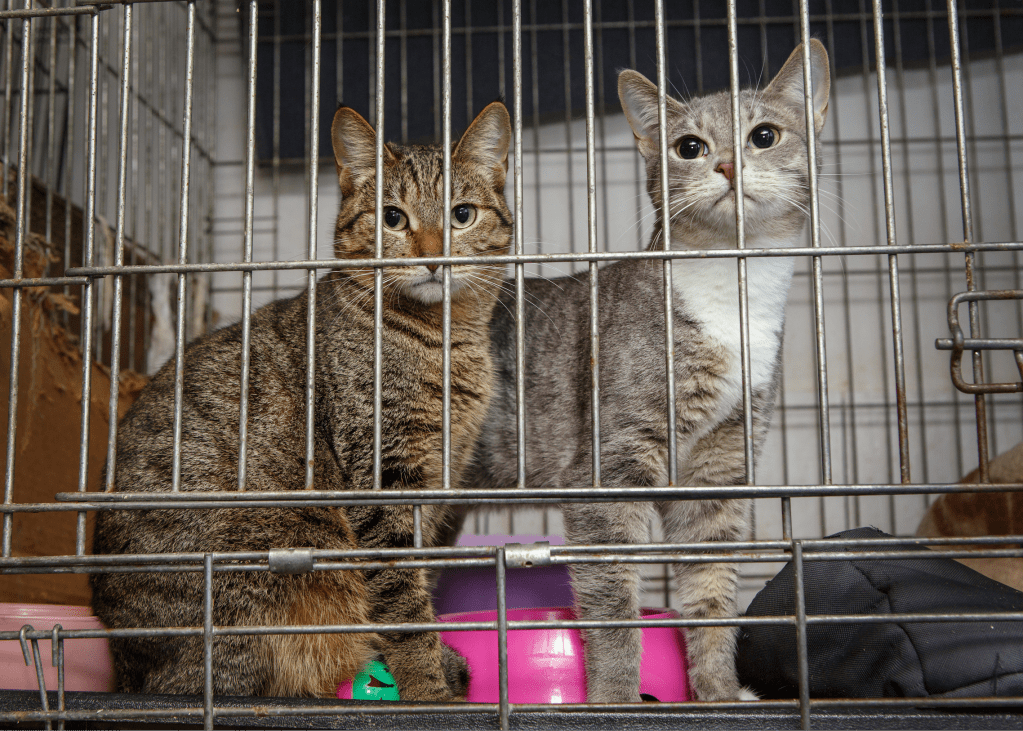
Most of the dogs sat at attention toward the front of their kennel. The tails wagged the happy animals and pink tongues lolled in delighted grins. The woman hummed and sang a little ditty that was all repeated syllables that seemed to keep the dogs calm. They danced around and offered soft yowls without barking. Past the dogs, removed from the canine energy were smaller, quiet cages. Stella peered into each cage: a calico, a gray tabby, and a runty siamese. She spent several minutes looking at each one of the cats, but felt nothing. She was looking for a spark or an ah-ha moment that said, “This is the one.” 

Stella turned back to the woman, her mouth agape with an apology, when she spotted a smaller kennel set apart from the rest. A dog, a golden retriever mix of some sort, was curled into a tight ball at the back of the kennel with her nose pressed to the wall and eyes shut tight against the overhead fluorescent lighting. Her flanks rippled as her muscles were on edge and ready to pounce. Despite the dog’s athletic build and musculature, ribs were prominent along with several long scars that ran down her flank.

“What’s with that guy?” Stella asked and pointed at the dog.

The woman’s slender shoulders sagged under her thick sweater. “Found her wandering the fields near Granum. Been abused. Won’t eat. Not sure she’s gonna make it.” The woman shook her head and gazed down at her bright sneakers.

Stella was familiar with the dog’s defeated posture as she’d been curled into a ball and hiding in her home for too many months, not leaving her bed, cowering in fear and immobilized by self-pity. Stella plopped down to the cold, tiled floor next to the kennel, but faced the exposed brick wall. She looked down to her lap and began humming and softly singing. From the corner of her eye, she could see the dog’s eyes were open and searching.

“Do you euthanize?” Stella asked in a low sing-song whisper like it was the next lyric.

“No, but I’m afraid this girl’s gonna starve herself.” The woman wrapped her cardigan tighter around her small frame and sat down on a rolling stool across the open room.

The dog turned around in the kennel, but backed her butt into the corner with her head still lowered, big brown eyes watching everything like a gunslinger watching over the saloon from a corner table. Other than needing a good bath, the dog’s coat was stunning: golden coat with dark brindle markings with a white chest plate and dark muzzle, but the long floppy ears of a labrador. White paws in the front like she was wearing go-go boots. Stella gave a mock yawn and laid down next to the chain link fencing, pressing her backside against the wire.

Being a chef had taught her that the best things took time: Sunday roast, Thanksgiving turkey, a succulent baked ham. She could wait. Stella continued to hum her favorite Grateful Dead tune, but watched the woman’s face for any change. She’d made it through “Friend of the Devil” twice before she heard the faintest sniffing noises behind her. She felt the fabric of her tee-shirt move and the chain link clattered against the crossbar. The dog had laid down with her back pressed against Stella.

“I’ll be damned,” the woman said and her face brightened.

Bad Seed: Chapter Seven

The employee parking lot of the Granum Agribusiness headquarters was lined with a battalion of black trucks and SUVs owned by executives and lab geeks. The only touch of personality among the vehicular dress code were various alumni stickers: MIT, Stanford, Cornell, Purdue. Wyatt parked his battered Ford Ranger toward the back of the lot. His beloved truck–sun-bleached, with rusted fenders, and a thick layer of gravel dust–was an eyesore compared to the rest.

Wyatt pulled off his Cubs ball cap, swiped his security badge, and entered the employee entrance. Other than the handful of executives that ran operations from the glassed-in office suite, every employee was mandated to change into a jumpsuit before entering the lab or the test fields to eliminate possible cross contamination. It was hilarious to watch the lab minions get out of their oversized Escalades or Suburbans in designer business casual attire, scurry into the building, and change into their khaki coveralls like a cult member. Conformity was the norm.

It was Friday morning so most of the salaried employees were already at their desks or beakers putting in an early eight hours to start their weekend mid-afternoon. But Wyatt’s hourly schedule was dictated by his clueless supervisor.

Granum was started by a local boy done good–at least that’s what the public relations campaign and the local folklore claimed. The town’s golden boy, Walter Terpstra, attended Iowa State University on a football scholarship. While he didn’t make much of a name for himself on the gridiron, his prowess and recklessness in the University’s labs and chemical engineering program netted two new strains of GMO corn. Inspired by fellow Iowan Norman Bourlag, Walter Terpstra’s products addressed growing crops in less favorable conditions: flood plains, droughts, and sandy soils. He made his first million when sold his first GMO to an international agriscience consortium while pursuing an MBA. The company was more interested in controlling the patent rather than promoting or selling his product. At thirty, the prodigal son and his new bride returned to his hometown. Walter bought up a tract of industrial land and began building an empire. Although the company wasn’t internationally known like Dupont Pioneer, or Archer Daniels Midland–Granum was making money hand over fist and slowly changing modern farming in the soil, not in a courtroom. Wyatt took pride in working for a man that valued the common good over his bank account.

The employee locker room was empty at nine a.m. as all the geeks were at their microscopes or computers doing nerdy things, so Wyatt had the place to himself. He touched his thumb to the time clock. The print scanner was harmless, but he always rubbed the pad of his thumb like it had burned him. He strolled over to his locker in the corner, turned the combination, popped it open, and jumped back when an avalanche of red boxes fell to the floor at his feet.

Fucking Lucky Charms everywhere. He spun around looking for the perpetrator, like a coming of age drama produced by the idiots in Hollywood, he expected the football team to be hiding around a corner waiting to see the fruits of their bullying labors. The lab boys called him Lucky because of his small stature and Irish features. The ribbing was good natured at first, but turned malicious in recent years when the governor locked down the state due to the COVID-19 pandemic and essentially canceled St. Patrick’s Day festivities. Somehow the geeks blamed Wyatt for their inability to drink in bars for their favorite bullshit Irish holiday.

Anger flashed hot across his cheeks but faded to a slow burning resignation as he pulled on his jumpsuit and clipped a security badge to the breast pocket. He was tempted to leave the boxes scattered on the floor for the geeks to step over at quitting time, but he knew that the janitorial team would be forced to clean it up. He stooped and gathered the boxes and deposited two armloads into the trash. 

Wyatt wasn’t a lab tech or an executive, his official company title was Experiential Agriculture Technician. He was a farmer. He planted and maintained test cropland for the company. He planted more Colfax County fields than any other local farmer, but the office frat boys had no respect for the work he did.

He wished he was back in his apartment, nestled in bed next to Casey. She looked so peaceful on the pillow next to his with the quilt his grandma made pulled up to her chin and her long hair splayed across the sheets softened by years of weekly washing. Since they’d started dating a few months ago, there had been so many days that he didn’t want to leave the house. They were so content in their bubble and removed from the world. In his apartment, they’d talk for hours unaffected by their jobs or the world’s cruelty. He steeled himself with the memory of her wrapped up in his quilt, then stepped into the office suite.

Inside the cubicle maze of the administrative offices, he was a fish out of water–rather a jumpsuit among suits. He didn’t belong here. He wished he could come and go from the supply warehouse on the edge of the complex rather than share the same locker room with the executives and lab boys. Besides he should’ve been in the fields hours ago, before the heat of the day, cutting ground before the dew evaporated, but his schedule was dictated by a man that had never planted or tended a plot of land.

 The office was awash of white and beige tones from the generic artwork to the taupe Hon office furniture. The only pretense of personality was Kevin’s musical choice of Nashville pop hits. Toby Keith and his ilk of country “musicians” produced mindless drivel devoid of poetry or even a soul. Kevin swiveled in his leather office chair and smiled up at Wyatt. With his chin thrust forward and his thin lips hitched to one side of his unshaven face, the expression was more smug contempt than professionalism.

“Morning, Lucky,” Kevin said in an overly jolly, loud voice. The air in the office shifted and the lookie-loos sat up and paid attention like that moment before a bar brawl.

“What’s my assignment?” Wyatt asked. He wasn’t going to give anyone the satisfaction of a confrontation. Dad taught him better than that. 

His supervisor, Kevin, pulled a local topographical map from his desk drawer along with a package of markers. Kevin’s title was Experiential Agriculture Coordinator, which made him the keeper of maps.

“What field did you cultivate yesterday?” Kevin asked. Deep blue circles ringed each eye, but Wyatt knew from his father’s boxing days that these were from lack of sleep rather than shiner.

“Richardson,” Wyatt said.

Kevin’s lips twitched and turned into a sneer. “Test field 1940?” 

In Kevin’s estimation, land was something to be used and manipulated without regard of history and ownership. The use of surnames annoyed him. But names were important. They provided provenance: a history of the land as well as a cultural history. The land known as plot 1940 was bought from the Otoe Indian Tribe and first farmed by a German family in 1839, the year after Iowa was declared a territory. In the intervening century, the Klinkhammer’s original forty acres grew to nearly two hundred. While still owned by descendants of the Klinkhammer family, it was now known as the Richardson farm. The land along the Possum River was prone to flooding in the summer, but was excellent for spring crops. Kevin and his maps would never understand this, but it led Wyatt to believe that most crops, but especially corn, would never be successful on the Richardson land. But he was just a local farmer without a college degree or a cubicle or a white collar.

“Let’s plant 1940 today,” Kevin said and pointed to a shaded-in plot on the map that lay adjacent to the Possum river. 

“I’m going back to the Richardson farm?”

Wyatt knew he was getting under Kevin’s skin, when the man slid his chair back and sprang to his feet. As if his height or muscular stature gained him some advantage over Wyatt. But they stood eye to eye.

“Thanks, Lucky,” Kevin said as Wyatt turned to walk away.

Wyatt drew in a deep breath and pushed it out as if blowing into a straw. His face, again, flushed with a flash of anger. He dropped his shoulders and stretched his neck muscles before turning back.

“You know,” Wyatt said. He paused and took another deep breath and lowered his voice. “I really don’t like being called that.”

Another smug smile spread across Kevin’s face. “You’re welcome to file a complaint with your immediate supervisor.”

Bad Seed: Chapter Six

Plumes of white steam rose from the mineral hot spring pools, swirled in the light breeze, and caught the early morning light as the sun moved from the plains to the high country of Colorado. As a hotel guest, Lena had the run of the hot springs pools before the doors opened to the public in a few hours. She wandered the fifteen small pools which looked like over-sized hot tubs made by artisans with native stones and minerals mined from the surrounding peaks of the San Juan Mountains. On the deck of the smallest pools, she dropped her notebook, robe, and plush hotel towel onto a nearby lounge chair, slid off the dollar store flip-flops she bought the night before, and sat on the edge of the pool overlooking the San Juan River. She dipped her feet into the steaming water. The warmth entered the soles of her weary feet and rushed up to calm her spinning brain. She slid into the pool, submerging her body, then her head. Lena listened to the lub-dub of her heart echo through the calm water. 

With a renewed sense of calm, she doggy paddled to the edge of the pool, and took in her surroundings as if for the first time. Pink morning light licked the impressive and rugged San Juan Mountain peaks. Huge columns of steam billowed out of the hot spring pools and created a foggy, dream-like atmosphere. This was much better than wandering the Denver convention halls: politely laughing at lame chemistry jokes and deftly deflecting the clumsy flirting of her business competitors. She’d flown into Denver the day before, picked up her rental car, and drove past her hotel and the Denver convention center where she was booked for the American Chemical Society Spring Meeting. Tomorrow night, she was supposed to give the keynote address: The Future of Agribusiness in the Post Chemical Era. Or some such bullshit.

The speech was rehearsed and the notecards tucked into her briefcase. Her suit pressed. Shoes polished. But her heart wasn’t in it. There was nothing particularly thrilling about better living through chemistry or being the supermarket to the world or advancing human development one field at a time. It was capitalism run amok no matter how lofty or humanitarian the mission statement, it was all about the bank account balance.

She rolled onto her back and floated face up in the small pool. The infinite dome of blue sky above her seemed a good limit to let her mind wander over future possibilities. She needed a solid plan before broaching the subject with her husband and business partner. She could drive back to Denver and give her speech as her swan song. But even that felt like a lie. There was no Post Chemical Era in agribusiness and anyone who stood at a podium declaring such was a damn fool and a liar. Agriculture seeds sold in the United States were miracles of biotechnology and chemical engineering. 

Lena needed a pool like this at home: rocks from a native quarry, large hot tub with salt instead of chlorine and views of the landscape that inspired Grant Wood. Plenty of people had hot tubs or meditation temples on their property. This would be the combination of both. What could she accomplish with a quieter, more focused mind?

She dunked her head again and held herself under for as long as possible. When she broke the surface, she held the entire vision of the renovation in her mind’s eye. She’d put in three tubs: one at this temperature, one much hotter, then a cold plunge pool. Tony Robbins had a cold plunge pool–he was nearly the epitome of enlightenment–and he swore by the Finnish practice, something about lactic acid build up in the muscles. Maybe they could also build a sauna in a small bath house on the property. 

Lena climbed out of the pool and the chill of the spring morning quickly wrapped around her. She pulled on the hotel robe, pulled her wet hair up in the towel and found a quiet corner of the terrace overlooking the hot spring pools and the San Juan River. A tiny outcropping of rock that overlooked the river and stood apart from the rest of the pools and lounge chairs. She stretched out on a lounge chair and opened the Clairefontaine dot grid notebook that, in some form, had been her daily companion for over twenty years. She flipped to the perforated pages in the back and began drawing out her vision for the veranda she would build on the back of her Iowa home. She spent a pleasant half hour drawing her vision of her new spa backyard with pools and waterfalls. Although her doodles were elementary, she saw it all in her head. This drawing and planning was a distraction from her current predicament, but she was happy for the diversion. 

She pulled her cell phone from the plush pocket of her robe, texted her assistant in Denver to cancel her appearance due to illness. With the recent resurgence of COVID, the end of flu season, and RSV keeping hospitals and clinics full across the country, the lie was believable. Lena then called her husband. 

“Ready for your speech?” Walter asked after they exchanged hellos and morning pleasantries. 

“Not feeling myself, so I canceled,” Lena said. Lying to her assistant was one thing, but honesty within her marriage was sacrosanct. She sat up straighter and adjusted the towel on her head like she was about to address a jury.

“You alright?” he asked. She heard a faint click over the line and knew that he’s closed his laptop and was listening with rapt attention. 

“Not really.” Lena let the truth hang in the silence for a long moment. “I’m watching this amazing sunrise in the Rockies and you’re sitting in your office dreading your day.” 

Walter sighed. 

“Toby starts on Monday, right?” 

“Yeah.” Lena knew her husband well enough to know that his terse answers weren’t dismissive, rather he was attentive. 

“I want to come back here on Labor Day and share this place with you.” Although framed as desire, the simple sentence was the closest she’d come to issuing an ultimatum in their fifteen year marriage. 

After another long pause, Walter said, “I hear you.”

Bad Seed: Chapter Five

Mineral Springs started as a platted settlement at the junction of two stagecoach lines. Unlike other Iowa towns of the same start, Mineral Springs didn’t vanish into the landscape, but hit a streak of tremendous good luck, when a deep seam of coal was discovered in the hills rising above the Possum river. As the mineral deposits played out and the industry looked for cheaper options, a local miner located a mineral spring. The coal boom morphed into a spa tourism boom. Lavish hotels were constructed around the springs and a marketing campaign promoted the healing waters of central Iowa. Spa treatments and colonics and saunas to treat all that ails during the roaring twenties and went bust in the early years of the Great Depression. The low squat building that now housed the Furry Friends League inhabited the old pump house that once fed mineral water into the spas along main street and the affluent houses on the hills above town.

The pink had faded from the cloud bellies as the sun advanced across the rolling Iowa landscape toward more exotic Western locales. As a child, spring had been her favorite season and she still marveled at the changes. The northern hemisphere tilted toward the sun and its rays grew more powerful and able to burn her winter pale skin in a matter of minutes, yet the cool breezes made her reach for a jacket. And the breathless anticipation that at any moment father winter could pull back the blankets and sprinkle the world in ice and snow.

Stella pulled her eyes away from the Furry Friends Rescue front door to her white knuckle grip on the Subaru’s steering wheel. She’d been staring at the door, willing someone to open early as if by sheer power of thought the local dog catcher would forgo his morning coffee to allow Stella to adopt an animal and right the karmic scales. She sought to salve the deep hatred in her heart and caused her chest to ache. She unfurled her fingers from the steering wheel and dropped her aching hands into her lap. She leaned back against the headrest to avoid staring at the building again, but instead spied the mounds of black trash bags that filled the backend of the Outback wagon. She’d stripped all the sheets, pillows, and blankets off her bed. She wanted to take all the bags and even the mattress out to her aunt’s farm and light it all on fire in her burn pit in an ultimate–but fruitless–act of catharsis. She knew that watching her bed clothes burn wouldn’t absolve or heal her.

Out of habit, her left hand traced the scars that disfigured her right hand and wrist. With one sharp nail she traced the pink waxy skin elevated and swollen above her translucent flesh. Stella scratched at her scars as she sat in a daze. She stopped and held her hands straight like she was putting on mittens. If she wasn’t directly involved in a task that kept her hands busy, she often wore mittens to prevent this anxious habit. Instead of continuing to dig her nails into the scars in a bizarre unconscious attempt to reopen the wounds that Kevin had caused. Without a direct task, she moved from one anxious habit to the next, like a drunk that keeps changing his bar order. 

She clutched at her chest, and rapped her sharp knuckles against her sternum. Three, strong taps. But the hate wouldn’t come up. She wanted to cough it up like a ball phlegm and expel it from her body, but it remained tucked in her chest like the ravages of pneumonia awaiting the next minor illness to reclaim dominance of its host. 

Out of the corner of her eye she caught movement from across the parking lot. A tall man waved to her from the police station. She squinted at him until recognition flickered in her memory. The cop that had been there that night and testified on her behalf: Reggie, Officer Byers, or was it Detective? He strode toward her car as the physical embodiment of her victimhood. She pulled down her rolled up sleeves and got out of her SUV to meet him in the middle of the empty parking lot: a wide open spot where she couldn’t be cornered.

“Morning, Chef.” Reggie’s broad smile lit up his face, but didn’t mask his weariness. Deep lines rimmed his dark, hooded eyes. Reggie stooped with his arms open. Stella stepped into the hug but did not return the embrace, instead tucked her head into his chest for a brief moment. Although he looked rumpled and his unshaved face pulled at her hair, he smelled of fresh aftershave and mouthwash. She felt him relax into the awkward hug and exhale deeply before stepping back.

“It’s great to see you out.” Reggie asked and looked over her shoulder at her car. Yet another reminder of her failings. Even law enforcement knew of her reclusive nature. His brow furrowed for a second, but quickly returned to the passive expression of a seasoned interrogator. “Whatchu up to?”

Aside from an occasional trip to McCue’s Market for curbside grocery pick up, Stella hadn’t left her home since her divorce court proceedings six months prior. She wasn’t going to let small talk keep her from her resolute mission. “Thinking about getting a cat.”