It began with a book. Dean Koontz’s Watchers in sixth grade, pages turning like doors opening into rooms I’d never seen before. One story, and my world shifted. I moved from Sweet Valley High books to the macabre and challenging: Stephen King’s Maine shadows, more Koontz creatures prowling suburban streets, Grisham’s courtroom battles, Woods’ conspiracies, Brown’s ancient secrets. Each book a key to darker territories where ordinary souls collide with extraordinary malice.
But here’s the secret I discovered in those midnight reading hours: I don’t write horror and thrillers for the monsters lurking in the margins. I write them for the ones who walk away from the wreckage, scarred but breathing. I celebrate the victims.
I Believe in Monsters
I believe in monsters. They wear human faces. They sit beside you on buses, smile at checkout counters, coach little league teams. Monsters exist in the space between heartbeats, in the pause before the storm breaks. Most carry no fangs or claws, just the terrible knowledge of where to press to make someone break.
What draws me isn’t their darkness but the moment when someone looks into that abyss and refuses to blink. My protagonists aren’t heroes polished bright. They’re survivors forged in crucibles of childhood pain, shaped by hands that should have protected but chose destruction instead. Their scars tell stories of adaptation, of learning to breathe in spaces where oxygen runs thin.
These experiences carved them hollow in places, filled them with steel in others. They know the geography of cruelty because they’ve walked those territories barefoot. That knowledge becomes their compass when new shadows gather.
But healing demands distance. My characters build sanctuaries on the edges of civilization, in cabins tucked between mountains, in apartments where neighbors remain strangers. They plant gardens in the quiet spaces they’ve claimed, learn to sleep without checking locks twice, discover peace tastes like morning coffee without fear seasoning every sip.
Then the darkness finds them again.
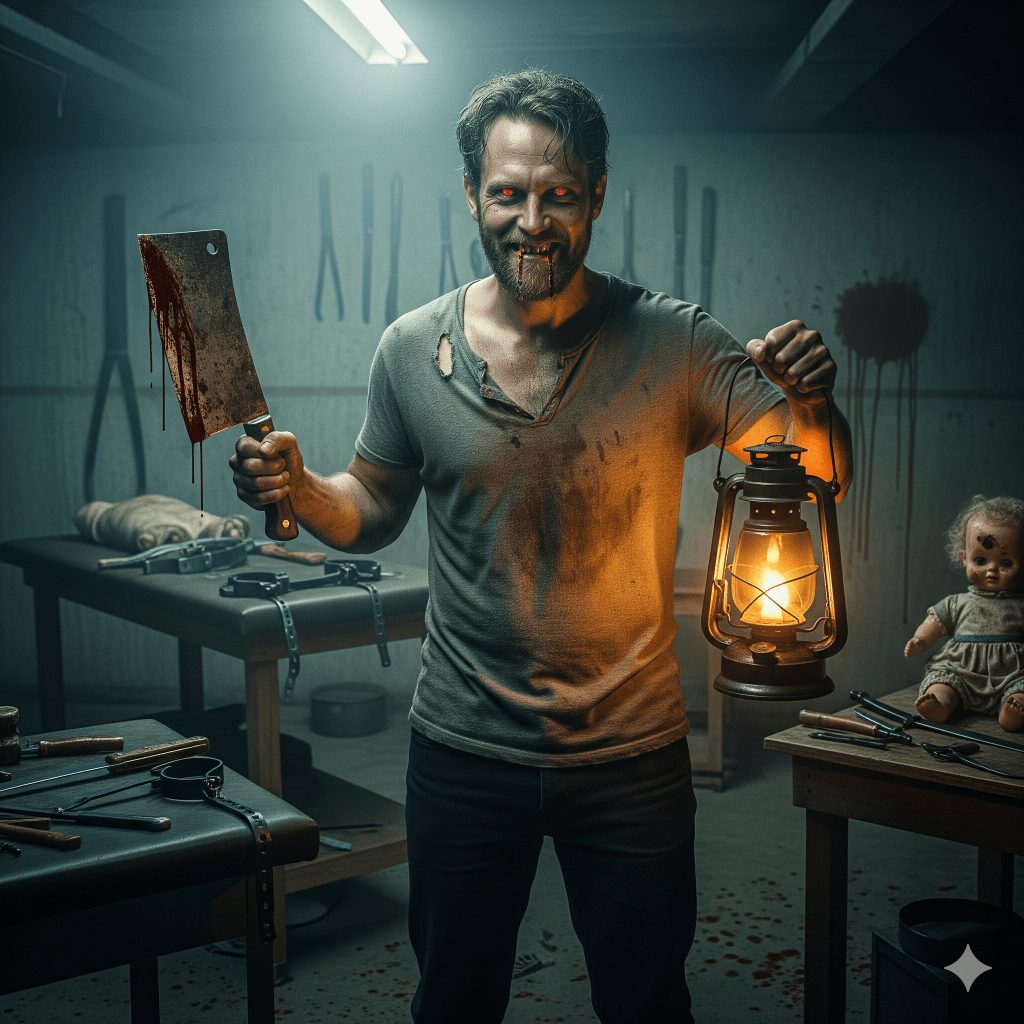
The Predator’s Mistake
There’s poetry in the predator’s error. They scan crowds for familiar wounds, recognize the careful way survivors move through rooms (backs to walls, eyes mapping exits), mistake hard-won wisdom for weakness. They see someone who’s learned to make themselves small and assume the fire has died.
What they miss is the difference between hiding and healing, between broken and rebuilt. They threaten not just life but the cathedral of calm their target has spent years constructing. Every quiet morning, every peaceful evening, every moment of safety becomes a hostage.
The predator believes they’ve found easy prey. They’ve chosen someone who knows exactly how much pain a human body can hold and still keep beating.
The Beautiful Terrible
Darkness calls to me: vast and patient and full of terrible wonders. I’ve spent my life studying stories, but it’s in shadow that I set my novels. Not because evil fascinates me but because shadow is where we discover what we’re made of when everything else is stripped away. When safety dissolves, comfort crumbles, illusions shatter, what remains standing? When someone who’s already been broken to their foundations has to rise one more time, what gives their legs the strength to hold? When a predator smells familiar prey, what happens when that prey has learned to bare teeth?
These are the stories that pull me from sleep, that whisper in the spaces between words. Stories of ordinary souls who’ve walked extraordinary darkness and chosen to plant lights along the path so others won’t stumble where they fell.
In a world where real monsters cast real shadows, I choose to write about the people who refuse to let those shadows grow. Because that’s where truth lives: not in the darkness itself but in the stubborn flame that keeps burning no matter how fierce the wind.
That’s why I write horror and thrillers. Not for the monsters, but for the survivors who teach us that hope and resilience aren’t just possible. They’re inevitable, as long as someone remembers how to tend the light.
 Parker O'Dwyer